

The Illusion of Guaranteed Wins
One prevalent myth in the gambling community is the belief that certain strategies or systems can guarantee wins. Many players fall into the trap of thinking that with enough analysis and practice, they can outsmart the house edge. In reality, casino games like payid pokies are designed to favor the house, meaning no strategy can sustainably overcome this built-in advantage. Players often misinterpret short-term wins as proof of a successful system, leading them to chase losses with misguided confidence.
For instance, many gamblers believe in the “Martingale strategy,” where players double their bets after each loss, believing that they will eventually win back what they lost. While this approach may yield short-term gains, it is inherently flawed. A streak of bad luck can quickly deplete a player’s bank account, highlighting the risks associated with relying on such systems. Understanding the probabilities and the mathematical principles behind casino games is crucial for managing expectations and making informed decisions.
Moreover, the idea of “due” outcomes is another common misconception. Players often believe that if a particular number hasn’t appeared in a while on a roulette wheel, it is ‘due’ to appear soon. This belief in patterns where none exist can lead to significant financial losses. Recognizing that every spin is independent and that past results do not influence future outcomes is vital for any responsible gambler. Players should educate themselves about how randomness works in games of chance to avoid falling into this mental trap.
The Myth of Skill-Based Advantage
Another myth surrounding casino gambling is the notion that skill-based games always provide a significant advantage over games of chance. While skill plays a crucial role in games like poker, blackjack, and sports betting, it does not necessarily translate to guaranteed success. Many new players believe that if they invest enough time learning the intricacies of a game, they will consistently outperform others. However, the reality is far more complex, as psychological factors and variance also significantly affect outcomes.
Consider the game of poker; while it is true that skilled players can make better decisions over the long run, luck still plays a vital role in any individual hand. A great player can lose to a novice due to the variance inherent in card distribution. This interplay between skill and luck makes it impossible to predict outcomes with certainty, and while improving your skills can enhance your odds, it doesn’t eliminate the element of chance. Recognizing the limits of skill can help players maintain realistic expectations.
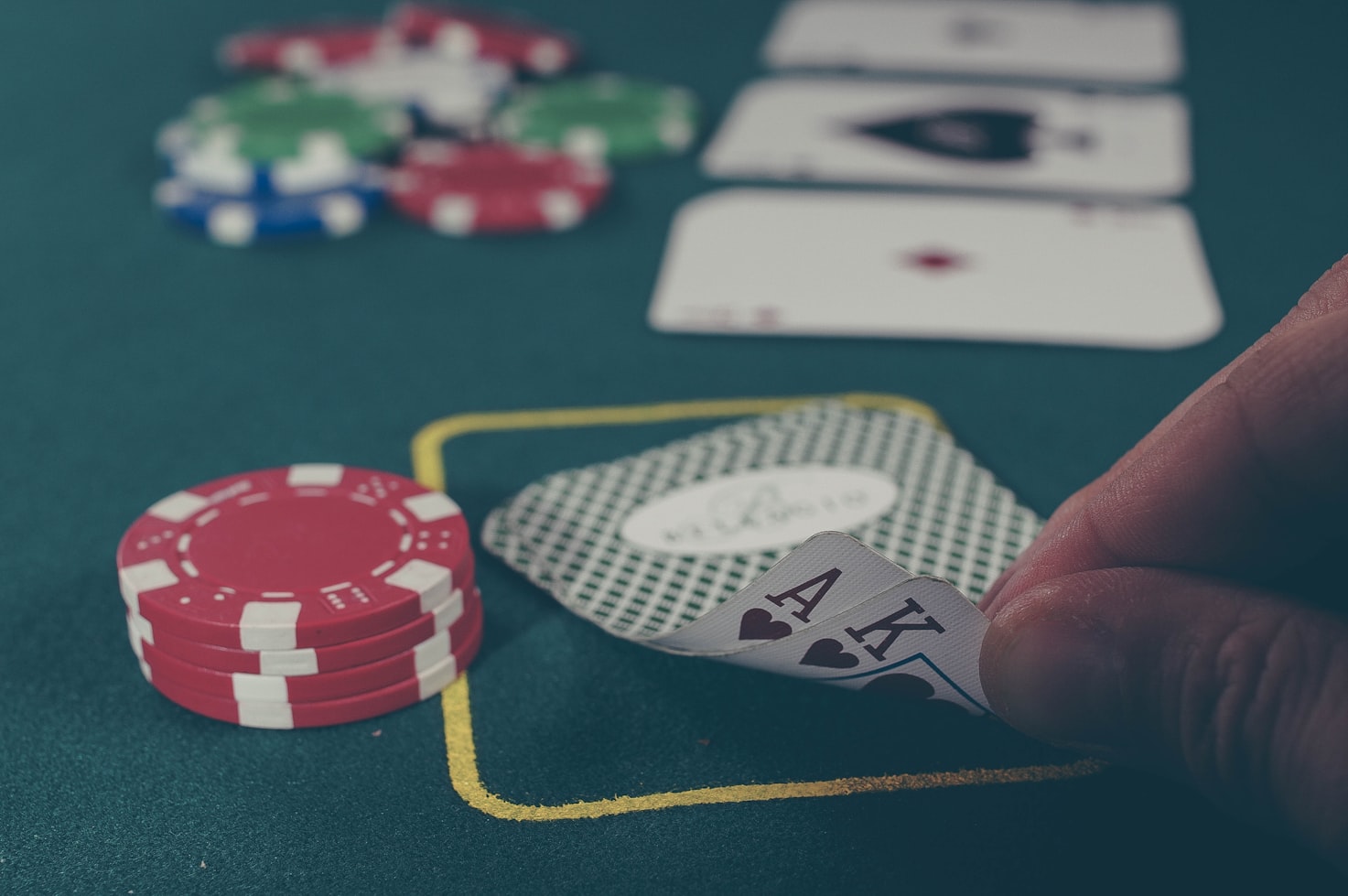
In addition, even in games where skill is critical, the modern casino environment has evolved. Competition among players and the introduction of advanced betting strategies mean that simply being skilled isn’t enough to secure consistent wins. It’s a delicate balance of experience, intuition, and sometimes, a bit of luck that will ultimately determine the player’s success at the table. Thus, players should focus on continuous learning and developing a well-rounded strategy rather than relying solely on skill.
The Allure of “Hot” and “Cold” Streaks
While many gamblers talk about ‘hot’ and ‘cold’ streaks, this belief can lead to serious misconceptions about the nature of games. Gamblers often hold that certain slots or tables are ‘on fire’ and will continue to pay out, or conversely, that they’re ‘cold’ and unlikely to yield wins. This mindset can lead players to make ill-timed decisions based on emotions rather than sound judgment. Games of chance, especially slots and roulette, operate under random number generation, meaning past results are irrelevant to future outcomes.
For example, a player convinced that a slot machine is on a winning streak might spend excessive amounts hoping for a big payout. However, the random nature of the game means that no pattern will ensure continued success. Gamblers must learn to recognize that relying on such streaks can lead to impulsive betting and potential losses. Instead, focusing on a budget and entertainment value rather than chasing elusive patterns will lead to a more enjoyable gaming experience. Understanding that each spin is its own event can help mitigate losses.
The prevalence of this myth can be attributed to cognitive biases, where individuals perceive patterns in random data. Understanding the mechanics of the games can help mitigate these biases and foster a more rational approach to gambling, emphasizing the importance of responsible play rather than chasing the idea of winning due to ‘streaks.’ By acknowledging that randomness governs outcomes, players can make more informed and logical decisions while gambling.
The Role of Casino Promotions and Loyalty Programs
Casino bonuses and promotions are often misunderstood, leading players to believe they can consistently profit from these offers. While bonuses can enhance the overall gambling experience, many players overlook the fine print associated with these promotions. Often, casinos implement strict wagering requirements that must be met before a player can withdraw any winnings derived from bonus money. This misunderstanding can lead to frustration and disappointment, as players may feel misled about the potential benefits of such offers.

Moreover, loyalty programs can create a false sense of value, making players feel as though they are earning more than they actually are. Many gamblers continue to play longer and wager larger amounts in the hope of achieving better rewards. However, the reality is that the more you play, the more likely you are to lose, as the house always has the edge. It’s important for players to scrutinize the rewards offered and weigh them against their gambling behavior realistically. Awareness of the true cost of these promotions is essential.
In this context, it is essential to view promotions and loyalty programs as marketing tools rather than dependable income sources. Understanding the true intent behind these programs can help a player maintain a healthier relationship with gambling, focusing on entertainment rather than on unrealistic expectations of winning through promotions. Players should approach these offers with caution, ensuring they have a clear understanding of the terms before engaging with them.
Conclusion: Embracing Knowledge and Responsible Gambling
In the face of various myths surrounding casino gambling, it is vital for players to arm themselves with knowledge and a realistic outlook on their gaming experiences. The allure of quick wins can be tempting, but understanding the underlying principles of chance and probability is crucial for cultivating a responsible gambling approach. By cutting through the myths, players can enjoy gambling as a form of entertainment rather than a potential source of income. The key lies in setting realistic expectations and acknowledging the randomness inherent in gambling.
Education is the key to dispelling these myths. Players should seek credible information about games, odds, and responsible gambling practices. Establishing clear limits and sticking to them will enhance the gaming experience and minimize the risks associated with gambling. Recognizing that luck plays a significant role in casino games is essential for making informed choices and reducing the frustration that comes from chasing losses based on misconceptions. Staying informed can empower players to make better decisions.
Ultimately, embracing a balanced perspective on casino gambling can lead to more enjoyable experiences. Education, combined with a responsible attitude towards gaming, fosters an environment where individuals can appreciate the entertainment value without falling prey to myths and unrealistic expectations. Understanding the realities of gambling will contribute to a safer and more enjoyable experience for all players, enabling them to engage in gaming responsibly while having fun.
